
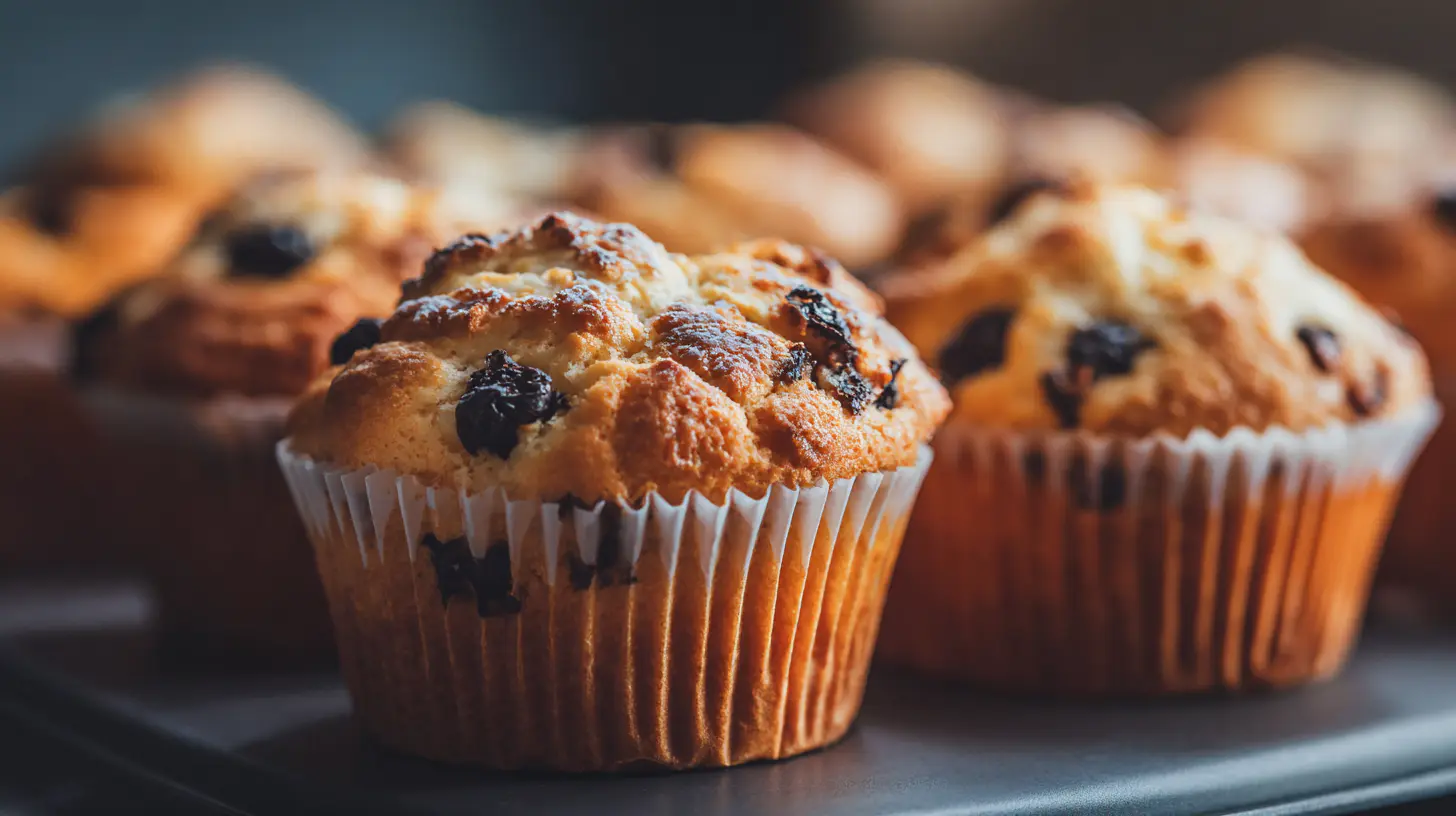
Mastering the best muffins recipes is a journey every home baker should take to ensure a delicious, bakery-quality breakfast every single time. There is something uniquely comforting about a warm muffin with a golden, domed top and a soft, tender crumb. Whether you are a beginner or a seasoned pro, understanding the nuances of these treats will elevate your baking game.
The Fundamentals of Great Muffins Recipes
To consistently produce high-quality results, you must understand the science behind muffins recipes. Unlike cake batter, which often requires creamed butter and sugar, muffins rely on a specific mixing technique that ensures their signature texture. This foundational knowledge prevents common mistakes like toughness or uneven rising.
Understanding the Standard Muffins Recipes Method
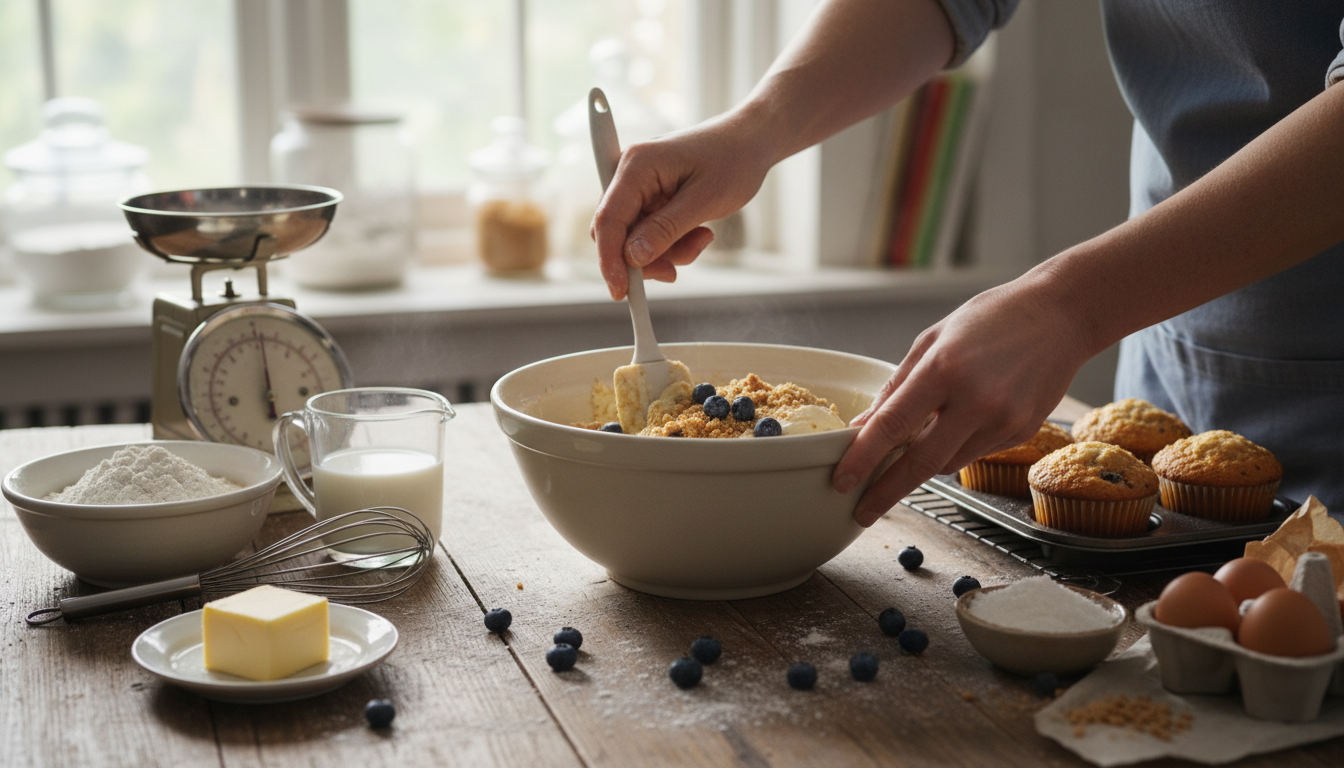
The “muffin method” is the cornerstone of most traditional muffins recipes. This involves mixing your dry ingredients (flour, leavening, salt, sugar) in one bowl and your wet ingredients (oil/butter, eggs, milk) in another. By combining them only at the very last moment, you control the activation of the leavening agents.
One of the most critical rules in all muffins recipes is maintaining a lumpy batter. Over-mixing is the enemy of a tender muffin. You should stir the batter just until the flour streaks disappear; a few small lumps of flour are perfectly acceptable and even encouraged for a light texture.
Minimal stirring helps you avoid gluten over-development. When you work the batter too much, the gluten strands become tough and elastic. This results in a rubbery texture rather than the delicate, cake-like crumb found in the best muffins recipes.
Essential Baking Tools for Success
The equipment you choose can drastically change the outcome of your muffins recipes. Standard muffin tins are the most versatile, but jumbo tins are excellent for that “bakery-style” look. Mini muffin tins are perfect for snacks or kids’ lunches and usually require a shorter baking time.
When it comes to lining your pans, paper liners are convenient and help keep the muffins moist. However, silicone molds or well-greased pans allow for better heat transfer to the sides of the muffin. This can lead to a more defined crust, which many enthusiasts of muffins recipes prefer.
Using a cookie scoop is a professional secret for uniform portioning. Not only does this ensure that all your muffins look the same, but it also guarantees they bake at the same rate. Unevenly filled tins are a leading cause of uneven baking in many home muffins recipes.
High-Quality Ingredients for Better Flavor
The choice of flour is the first step in successful muffins recipes. While all-purpose flour is the standard for a sturdy muffin, pastry flour can create an even softer result. Avoid bread flour, as the high protein content will make your muffins much too chewy.
Fats play a dual role in flavor and texture. Butter provides that classic, rich flavor we love in traditional muffins recipes. Oil, on the other hand, is superior for maintaining moisture, especially if the muffins are stored for a few days. Many bakers use a 50/50 split to get the best of both worlds.
Always ensure your ingredients are at room temperature. Cold eggs or milk can cause melted butter to seize, resulting in a chunky batter. Consistent temperatures lead to a more even emulsion and a smoother crumb in your final muffins recipes.
Classic Sweet Muffins Recipes You Need to Master
Every baker needs a repertoire of reliable sweet muffins recipes that work every time. These classics serve as a base for many other variations and are always crowd-pleasers. From fruit-filled delights to chocolate indulgence, these recipes define the genre.

The Ultimate Blueberry Muffins Recipes
Blueberry muffins are arguably the most iconic of all muffins recipes. To prevent fresh berries from sinking to the bottom, toss them in a tablespoon of flour before folding them into the batter. If you are using frozen berries, do not thaw them; add them directly to the batter to prevent the juice from staining the whole mix gray.
Adding a hint of lemon zest to your muffins recipes provides a necessary bright note that cuts through the sweetness. The acidity of the lemon also reacts with the baking soda to provide an extra boost in the oven. This small addition transforms a standard recipe into something extraordinary.
For a professional finish, top your muffins with a signature sparkling sugar crust. Using coarse turbinado sugar creates a satisfying crunch that mimics the high-end muffins recipes found in gourmet bakeries. Sprinkle the sugar generously just before placing the tin in the oven.
Decadent Double Chocolate Chip Muffins
When a chocolate craving hits, nothing beats rich muffins recipes that feature both cocoa and chocolate chunks. To achieve a dark, intense color, use Dutch-processed cocoa powder. This type of cocoa is treated with alkali, which neutralizes its acidity and results in a smoother, deeper chocolate flavor.
Balance is key when working with sweet muffins recipes. Using semi-sweet or bittersweet chocolate chunks rather than milk chocolate prevents the muffin from being overly sugary. The chunks melt into “pools” of chocolate, providing a better eating experience than standard chips.
To ensure these dense muffins stay tender, incorporate sour cream or Greek yogurt into your muffins recipes. The extra fat and acidity ensure an ultra-moist texture that stays fresh longer. According to incorporating whole grains into baking, dairy acidity is essential for moisture retention in heavy batters.
Bakery-Style Banana Nut Muffins
Banana muffins recipes are the perfect way to use up overripe fruit. The science is simple: as bananas ripen and develop black spots, their starch converts to sugar. This provides maximum natural sweetness and a more intense banana aroma that can’t be replicated with yellow bananas.
Adding texture is vital in these muffins recipes. Toasting your walnuts or pecans in a dry pan for a few minutes before adding them to the batter enhances their crunch and depth. The earthy notes of the nuts pair perfectly with the sweetness of the fruit.
Don’t forget the spices. Adding a teaspoon of cinnamon and a pinch of nutmeg creates a warm, comforting profile. Most classic muffins recipes from the 1950s relied heavily on these spices to create the nostalgic scent we associate with home baking today.
Healthy and Dietary-Friendly Muffin Variations
Today’s muffins recipes must cater to various dietary needs without sacrificing flavor. Whether you are avoiding gluten, following a vegan lifestyle, or simply looking to reduce sugar, there are ways to adapt your favorite treats. Modern baking science has made these “alternative” recipes just as delicious as the originals.
Gluten-Free and Flourless Muffins Recipes
Creating gluten-free muffins recipes requires a different approach to structure. Almond flour and oat flour are excellent nutrient-dense bases that provide a nutty flavor. Because these flours lack gluten, they won’t become tough if you over-mix them, which is a rare benefit in the world of baking.
The role of xanthan gum is vital in providing structure in wheat-free muffins recipes. This binding agent mimics the elasticity of gluten, preventing the muffin from crumbling into a pile of sand. Most high-quality 1-to-1 gluten-free flour blends already include this ingredient.
To keep gluten-free muffins recipes from becoming dry, use moisture-rich additions like unsweetened applesauce or mashed sweet potato. These ingredients provide a “binding” quality and ensure the crumb remains moist and flavorful for several days.
Vegan Muffin Substitutions That Work
Vegan muffins recipes have come a long way. Flax eggs (one tablespoon of ground flaxseed meal mixed with three tablespoons of water) are a fantastic replacement for chicken eggs. They provide the necessary binding and a slight nutty flavor that complements whole-grain recipes.
Choosing the best plant-based milks for your muffins recipes is also important. Soy milk and oat milk have a higher protein content, which helps with browning and structure. Almond milk is lighter and works well for delicate, fruit-forward flavors.
For the fat source, coconut oil or avocado oil are excellent dairy-free options. Coconut oil will add a very slight tropical note, while avocado oil is completely neutral. Both provide the necessary fat content to ensure your muffins recipes remain tender and satisfying.
Low-Sugar and Whole Grain Breakfast Muffins
Many people are looking for muffins recipes that serve as a healthy fuel source. Swapping refined white sugar for maple syrup, honey, or even date paste adds minerals and a more complex sweetness. Since these are liquid sweeteners, you may need to slightly reduce the other liquids in the recipe.
Incorporating whole wheat pastry flour is a great way to add fiber without the heaviness of standard whole wheat flour. This allows your muffins recipes to maintain a light rise while offering the nutritional benefits of the whole grain. strawberry-inspired baked goods
Boost the nutritional profile of your muffins recipes by adding “superfoods” like hemp hearts, flaxseed, or chia seeds. These add a pleasant crunch and a dose of Omega-3 fatty acids, making your morning treat a powerhouse of energy.
Savory Muffin Recipes for Any Meal
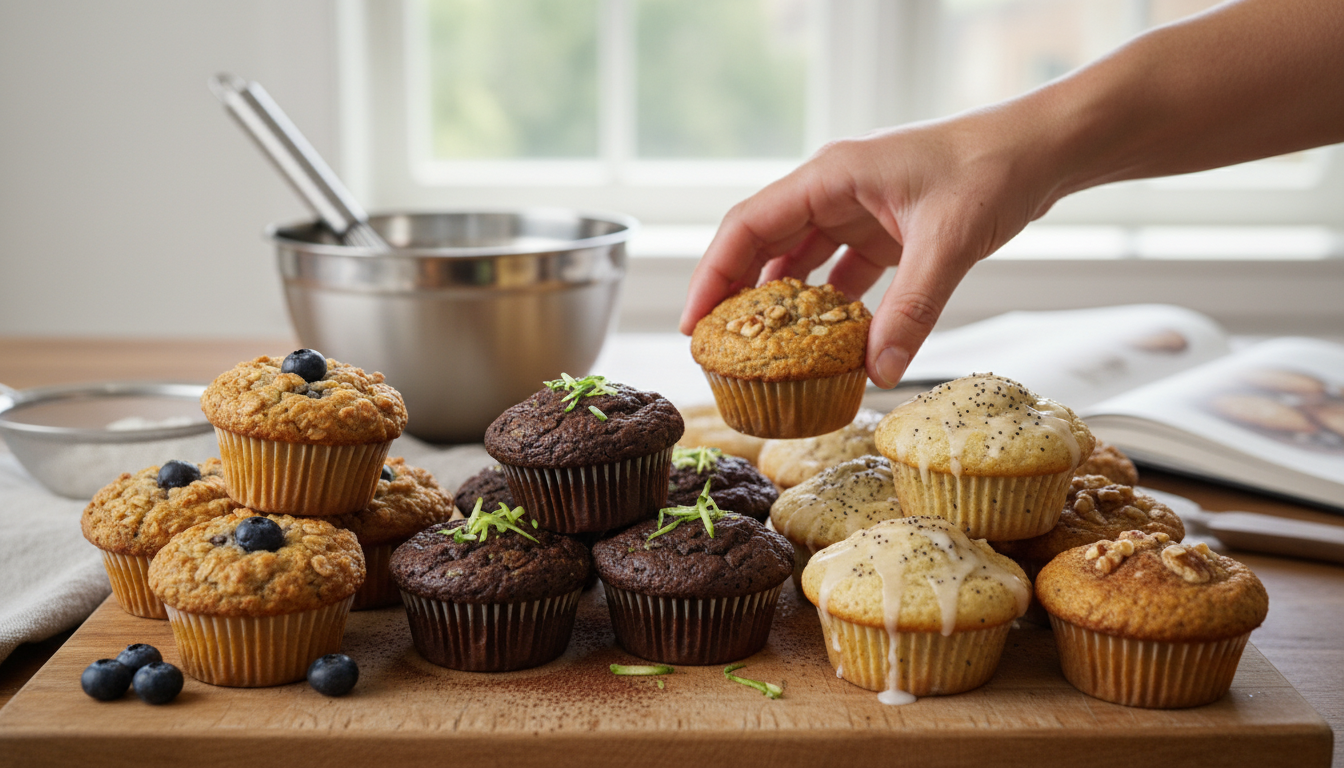
While we often think of them as sweet, savory muffins recipes are incredibly versatile. They can serve as a quick grab-and-go breakfast, a side for soup, or even a base for a sandwich. The key is balancing the salty and herbaceous notes with a moist, bread-like base.
Cheddar and Herb Breakfast Muffins
The best cheeses for melting in savory muffins recipes are those with strong flavor profiles. Sharp cheddar, gruyère, and parmesan are excellent choices. As the muffins bake, the cheese creates little pockets of savory goodness and a golden, crispy crust on the edges.
Infusing the batter with fresh herbs elevates the profile of your muffins recipes. Chives, rosemary, and thyme provide an aromatic quality that fills the kitchen as they bake. If you use dried herbs, remember to use about a third of the amount called for in fresh measurements.
For a complete meal in a single muffin, add a protein boost with crumbled bacon or cooked breakfast sausage. These muffins recipes are particularly popular for meal prep, as they can be frozen and reheated quickly on busy weekday mornings.
Mediterranean-Inspired Veggie Muffins
Mediterranean muffins recipes often feature sun-dried tomatoes, spinach, and feta cheese. To prevent the spinach from making the batter soggy, sauté it briefly and squeeze out all excess moisture before folding it in. The salty feta doesn’t melt completely, providing a great texture contrast.
Using olive oil instead of butter in these savory muffins recipes yields a heart-healthy crumb with a distinct, sophisticated flavor. Olive oil also keeps the muffins incredibly moist even after they have cooled completely.
These muffins are best served as an accompaniment to light meals. They pair beautifully with tomato basil soup or a crisp Greek salad. They are also a great addition to a brunch spread as a savory alternative to the usual sweet pastries.
Spicy Jalapeno and Cornbread Muffins
Cornbread-based muffins recipes require a bit of “grit” for authenticity. Using a high-quality, stone-ground cornmeal ensures a rustic texture that stands up well to spicy additions. For a softer muffin, use a fine-grind cornmeal mixed with all-purpose flour.
Controlling the heat is easy in these muffins recipes. If you prefer a mild kick, remove the seeds and white membranes from the jalapenos. If you want a real fire, keep the seeds in. Adding a half-cup of frozen corn kernels also adds a nice sweetness and texture.
The ultimate finish for these muffins recipes is a drizzle of honey butter. The contrast between the spicy pepper and the sweet honey creates a complex flavor profile that is hard to resist. This is a staple in many Southern-style muffins recipes collections.
Advanced Techniques for Professional Results
If you want your muffins recipes to look like they came from a high-end French bakery, you need to master a few professional techniques. These tips go beyond basic mixing and focus on the physics of baking and the aesthetics of the final product.
Secrets to High, Domed Muffin Tops
The most sought-after feature in muffins recipes is the high, domed top. To achieve this, try the “High-Low” temperature trick. Start your oven at 425°F (218°C) for the first five minutes of baking, then lower it to 350°F (175°C) for the remainder. The initial burst of heat creates a rapid steam release that pushes the top upward.
Resting your batter is another secret to the best muffins recipes. Letting the batter sit for 30 to 60 minutes allows the starch granules in the flour to fully hydrate and the leavening agents to begin reacting. This creates a thicker batter that rises more vertically than horizontally.
For maximum heat circulation, fill every other cavity in your muffin tin. This allows the hot air of the oven to surround each muffin completely, leading to a more dramatic rise. While it takes longer to bake in batches, the results for your muffins recipes are visually stunning.
Mastering Streusels, Glazes, and Fillings
A crunchy crumble top can make or break muffins recipes. To keep your streusel from melting into the batter, ensure your butter is cold when mixing it with the flour and sugar. Adding a bit of oats or chopped nuts can also provide structural integrity to the topping.
Surprise centers are a fantastic way to upgrade basic muffins recipes. You can use a piping bag to insert jam, sweetened cream cheese, or even chocolate ganache into the center of the muffin once it has cooled slightly. This adds a gourmet element that always impresses guests.
When applying a glaze, consistency is everything. Your glaze should be thick enough to hold its shape but fluid enough to drizzle. Always wait until the muffins are completely cool before glazing, or the icing will simply melt and soak into the crumb.
Storage, Freezing, and Reheating Best Practices
Proper storage is essential to maintain the quality of your muffins recipes. To prevent sogginess, never store warm muffins in a sealed container. Let them cool completely on a wire rack first. Placing a paper towel in the container can also help absorb excess moisture.
Muffins freeze exceptionally well. Use the flash-freezing technique by placing them on a baking sheet in the freezer for an hour before transferring them to a zip-top bag. This prevents them from sticking together and preserves the delicate texture of your muffins recipes for up to three months.
To restore a “just-baked” feel, reheat your muffins in a 350°F oven for about 5-8 minutes. This crisps the top back up while warming the center. Avoid the microwave if possible, as it can make the crumb toughen and become chewy.
Seasonal Muffin Recipes Throughout the Year
One of the joys of baking is using ingredients that are in season. Adapting your muffins recipes to the calendar ensures you are using produce at its peak flavor and price point. From autumn spices to summer berries, there is a muffin for every month.
Autumn Harvest: Pumpkin and Apple Spice
Pumpkin muffins recipes are a fall staple, but managing moisture is tricky. Pumpkin puree adds a lot of liquid, so you may need to increase your leavening agents slightly. Always use pure pumpkin puree, not pumpkin pie filling, which contains added sugars and spices that might throw off your recipe.
When making apple muffins recipes, choose firm, tart varieties like Granny Smith or Honeycrisp. These hold their shape during the baking process rather than turning into mush. Dicing the apples finely ensures you get a bit of fruit in every single bite.
Building your own “pumpkin spice” blend rather than using a pre-mixed version allows you to customize the flavor. A mix of cinnamon, ginger, cloves, and allspice provides a complex depth. Many award-winning muffins recipes use this custom approach to stand out from the crowd.
Summer Citrus and Tropical Blends
Summer calls for lighter muffins recipes. Lemon poppyseed is a classic choice; the crunch of the poppyseeds provides a great contrast to the soft cake. A tart citrus glaze made with fresh lemon juice and powdered sugar adds a refreshing finish that is perfect for hot mornings.
Tropical flavors like pineapple, mango, and shredded coconut can transport your taste buds. These muffins recipes often benefit from the addition of a little rum extract or lime zest to enhance the island feel. They are excellent for summer brunches or pool-side snacks.
Take advantage of the berry season by using raspberries and blackberries. These berries are more delicate than blueberries, so fold them in very gently. According to , using local berries can increase the vitamin content of your baked goods.
Global Flavors and Unique Inspirations
Modern muffins recipes often look to global ingredients for inspiration. Matcha green tea muffins offer a beautiful vibrant color and an earthy, sophisticated taste. Pairing matcha with white chocolate chips balances the slight bitterness of the tea perfectly.
Chai-spiced muffins with an espresso swirl are a coffee-lover’s dream. By incorporating the spices found in Masala chai—cardamom, black pepper, and ginger—into your muffins recipes, you create a deeply aromatic experience. An espresso-sugar swirl on top adds a caffeine kick.
Cardamom and pistachio muffins bring a Middle Eastern flair to your kitchen. The floral notes of cardamom paired with the salty, buttery crunch of pistachios create one of the most unique muffins recipes you can try. These are often finished with a light rosewater glaze.
Troubleshooting Common Muffin Problems
Even with the best muffins recipes, things can sometimes go wrong in the oven. Learning to diagnose these issues will help you become a more confident and consistent baker. Most problems are easily fixed with a few minor adjustments to your technique or ingredients.
Why Are My Muffins Recipes Dry and Dense?
The most common cause of dry muffins is overbaking. Every oven is different, so start checking your muffins 5 minutes before the recipe says they should be done. An internal temperature of 200°F (93°C) usually indicates that your muffins recipes are perfectly cooked.
Altitude and humidity also play a huge role. If you live in a high-altitude area, you may need to increase your liquid intake and decrease your leavening agents. Conversely, high humidity can make your muffins stay gummy, requiring a slightly longer bake time.
Over-measuring flour is a frequent mistake. If you scoop your measuring cup directly into the flour bag, you pack the flour down, using up to 25% more than needed. For the most accurate muffins recipes, always use a digital kitchen scale to measure by weight in grams.
Fixing Sticky Bottoms and Sunken Centers
If your muffins have sticky bottoms, it’s usually because they sat in the tin too long after baking. The residual heat creates steam between the muffin and the tin, which gets absorbed back into the base. Remove your muffins recipes creations to a wire rack within 5 minutes of taking them out of the oven.
Sunken centers are often a sign of expired leavening agents. Baking powder and soda lose their potency over time. To test your baking powder, drop a teaspoon into some hot water; if it bubbles vigorously, it’s still good. This is a crucial step for successful muffins recipes.
Adding too much liquid or heavy fruit can also cause a collapse. If your muffins recipes call for very wet ingredients, make sure the structural integrity of the batter is strong enough to support them. Sometimes, increasing the flour by a tablespoon or two is all you need.
Enhancing Flavor Profiles and Balance
Never skip the salt in your muffins recipes. Salt is a flavor enhancer; it doesn’t make the muffins salty but rather makes the chocolate taste more like chocolate and the fruit taste more like fruit. A half-teaspoon is usually enough to make the flavors “pop.”
Invest in high-quality vanilla. While imitation extract is cheap, vanilla bean paste or pure extract provides a much more complex aroma. Since muffins recipes have relatively few ingredients, the quality of each one really shines through in the finished product.
Acidity is the secret weapon for height. Using acidic liquids like buttermilk or adding a splash of lemon juice helps activate the baking soda more efficiently. This reaction creates the carbon dioxide bubbles necessary for a light, airy crumb in all your muffins recipes. healthy oatmeal breakfast ideas
Quick Tips for Perfect Muffins Recipes
- Always whisk your dry ingredients to remove lumps and distribute leavening.
- Use a muffins recipes base that calls for oil if you plan to eat them over several days.
- Don’t overfill the tins; 3/4 full is the golden rule for most recipes.
- Rotate your pan halfway through baking for an even golden color.
- Experiment with different textures by adding seeds, nuts, or oats.

Conclusion: Your Journey with Muffins Recipes
Mastering the art of muffins recipes is one of the most rewarding skills you can develop in the kitchen. From the simple joy of a classic blueberry muffin to the sophisticated flavors of savory cheddar and herb varieties, there is truly a recipe for everyone. By understanding the science of the muffin method, choosing high-quality ingredients, and practicing professional techniques like the high-low temperature trick, you can consistently produce bakery-quality results at home. The world of muffins recipes is vast and ever-evolving, so don’t be afraid to experiment with your own flavor combinations and dietary adjustments. Now that you have the ultimate guide at your fingertips, it’s time to preheat your oven and start baking your next favorite treat!
Ready to start baking? Grab your whisk and try one of these muffins recipes today!
