
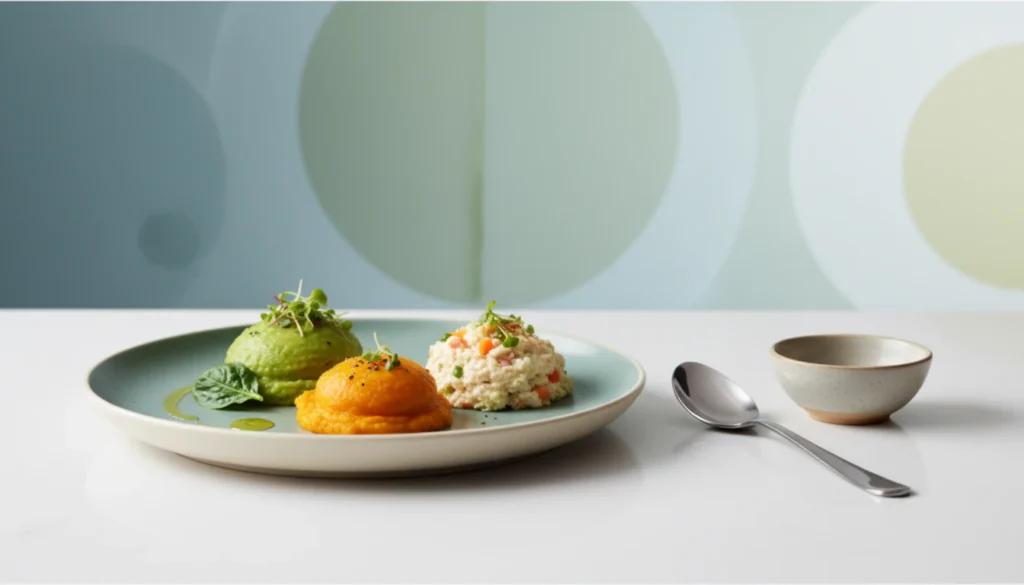
Finding the right **bariatric recipes soft food** options is the most exciting milestone for many patients during their weight loss journey. This phase marks the end of the restrictive liquid-only period and introduces textures that actually feel like “real” food again.

Successfully navigating this stage requires a balance of culinary creativity and strict adherence to nutritional guidelines. When you begin exploring **bariatric recipes soft food**, you are not just eating for hunger; you are eating to heal your body and fuel your new, smaller stomach pouch.
Understanding the Stage for Bariatric Recipes Soft Food
The transition to solid food is a delicate process that requires patience and a deep understanding of your body’s signals. Using **bariatric recipes soft food** helps bridge the gap between liquids and the regular textures you will eventually enjoy.
The Timeline: When to Start Soft Foods
Most patients transition to **bariatric recipes soft food** between weeks 3 and 5 post-surgery. This timeline is crucial because your internal staple lines are still healing. Introducing textures too early can cause discomfort, vomiting, or even complications.
Before you start searching for **bariatric recipes soft food**, you must receive explicit clearance from your surgical team. Every patient heals at a different rate, and your surgeon’s protocol is the ultimate authority on your progress.
protein-packed Greek yogurt smoothie bowl
Defining ‘Soft’ Texture Requirements
The hallmark of **bariatric recipes soft food** is the “fork-tender” consistency. If you can easily mash the food with the back of a fork, it is generally safe for this stage. This means avoiding anything crunchy, stringy, or tough.
* **Moisture is Key:** Dry meats or vegetables can get stuck in the stoma (the opening to your pouch).
* **No Fibrous Strings:** Celery, asparagus, and pineapple are often off-limits during this phase.
* **The Mash Test:** If a food requires significant chewing to become a paste, it’s not yet soft enough.
Using sauces, low-sodium broths, and Greek yogurt as binders in your **bariatric recipes soft food** can make digestion much smoother and more enjoyable.
Essential Nutrition for Bariatric Recipes Soft Food
Your primary goal during this phase is to meet your daily nutritional targets while keeping your calorie intake low. The focus of every **bariatric recipes soft food** selection should be high-quality protein and essential vitamins.
Prioritizing Protein in Every Meal
Protein is the cornerstone of any successful weight loss surgery diet. Most clinics recommend aiming for 60 to 80 grams of protein daily. This is vital for preserving lean muscle mass while you rapidly lose weight.
When preparing **bariatric recipes soft food**, look for high-protein sources like:
* Eggs and egg whites
* Fat-free or low-fat ricotta and cottage cheese
* Flaky white fish (cod, tilapia, flounder)
* Finely ground, moist turkey or chicken
bariatric recipes soft food should always be eaten protein-first. If you feel full before finishing your plate, ensure that the protein was the part you consumed.
The 30-Minute Rule: Separating Liquids and Solids
One of the hardest habits to break is drinking while eating. However, when eating **bariatric recipes soft food**, you must wait 30 minutes before and after your meal to consume any liquids.
Drinking while eating “washes” the food out of your pouch too quickly. This prevents you from feeling full and can lead to overeating. Furthermore, it increases the risk of dumping syndrome—a common and uncomfortable side effect of bariatric surgery.
eating guidelines after bariatric surgery
Hydration remains a priority, but it must be managed between meal times. Keep a water bottle nearby at all times, but set a timer once you start your **bariatric recipes soft food** to ensure you remain compliant with the 30-minute rule.

High-Protein Bariatric Recipes Soft Food for Breakfast
Breakfast is the perfect time to set the tone for your day. These **bariatric recipes soft food** ideas are designed to be gentle on the stomach while providing a significant protein boost to kickstart your metabolism.
Developing Bariatric Recipes Soft Food Breakfasts: Ricotta Bake
The “Ricotta Bake” is legendary in the bariatric community. It is a low-carb, high-calcium option that mimics the flavors of lasagna without the heavy pasta. By blending the ricotta, you ensure a perfectly smooth consistency.
To make this one of your favorite **bariatric recipes soft food** staples, mix 8 ounces of ricotta with a little parmesan, an egg, and mild Italian herbs. Bake until set and topped with a thin layer of sugar-free marinara. This dish provides a silky texture that is incredibly easy for a healing pouch to process.
Soft Scrambled Eggs with Melted Low-Fat Cheese
Eggs are a versatile component of **bariatric recipes soft food**, but they can be tricky if overcooked. To keep them moist, use a “low and slow” cooking method and perhaps add a teaspoon of cottage cheese to the whisking process.
* **Cheese Choice:** Opt for easy-to-digest cheeses like mozzarella, muenster, or mild provolone.
* **Portioning:** Most patients at this stage can only handle 1/4 to 1/2 of a large egg.
* **Avoid Irritants:** Skip the black pepper or hot sauce for now, as your stomach lining may be sensitive.
Including these types of **bariatric recipes soft food** ensures you aren’t just relying on protein shakes for your morning nutrition.
Savory Bariatric Recipes Soft Food for Lunch and Dinner
Lunch and dinner can be the most challenging meals to prepare. However, with the right techniques, you can enjoy flavorful, savory **bariatric recipes soft food** that the whole family might actually enjoy.
Savory Bariatric Recipes Soft Food Ideas: Slow-Cooker Chicken
The slow cooker is your best friend when preparing **bariatric recipes soft food**. Long, moist heat breaks down protein fibers, making even chicken breast tender enough to mash with a fork.
Try cooking chicken breast in a slow cooker with mild salsa and a splash of chicken broth. Once it is cooked, shred it finely and then pulse it briefly in a food processor with a bit of the cooking liquid. This creates a moist, flavorful **bariatric recipes soft food** option that can be served with a small amount of mashed avocado for healthy fats.
Lemon-Baked White Fish with Cauliflower Puree
Fish is an ideal choice for **bariatric recipes soft food** because it is naturally flaky and low in fat. Tilapia, cod, and flounder are excellent choices because they lack the “fishy” taste that some post-op patients find unappealing.
Pair your fish with a creamy cauliflower puree. Steam cauliflower until it is very soft, then blend it with a tablespoon of Greek yogurt and a sprinkle of garlic powder. This provides a “mashed potato” experience within the guidelines of **bariatric recipes soft food** without the high carb count.
soothing turmeric chicken soup
Lean Ground Turkey ‘Shepherd’s Pie’
You can create a bariatric version of Shepherd’s Pie by using finely crumbled ground turkey cooked in a savory, low-sodium gravy. Ensure the meat is very moist; dry ground meat is a common culprit for “stuck” episodes.
Instead of mashed potatoes, top this dish with a pureed carrot or butternut squash mash. These **bariatric recipes soft food** alternatives provide vitamins and fiber while keeping the texture appropriate for your healing stomach.

Healthy Bariatric Recipes Soft Food Snacks
Snacking shouldn’t be about mindless grazing. Instead, view snacks as small “mini-meals” that help you hit your protein goals. These **bariatric recipes soft food** snacks are nutrient-dense and satisfying.
Cottage Cheese and Pureed Fruit Swirl
Cottage cheese is a powerhouse for **bariatric recipes soft food** because it is packed with casein protein, which keeps you full longer. If the curds are too large, you can blend the cottage cheese until it reaches a yogurt-like consistency.
Swirl in a tablespoon of unsweetened applesauce or pureed peaches. This adds a hint of sweetness without the dumping syndrome risks associated with high-sugar snacks. Balancing the natural sugars in fruit with the high protein in cheese is a core principle of **bariatric recipes soft food**.
Hummus and Steamed Vegetable Medley
Hummus is an excellent source of plant-based protein and healthy fats. It fits perfectly into the **bariatric recipes soft food** category because of its naturally smooth texture.
Instead of dipping raw carrots, which are far too hard, use “over-steamed” vegetables. Carrots, zucchini, and yellow squash should be steamed until they are fork-mashable. This allows you to enjoy the flavor and nutrients of vegetables while strictly following the **bariatric recipes soft food** texture requirements.
Mindful Eating Habits for the Soft Food Stage
How you eat is just as important as what you eat when it comes to **bariatric recipes soft food**. Developing these habits now will ensure long-term success and prevent discomfort during the transition.
The 20-20-20 Rule for Digestion
The 20-20-20 rule is a gold standard for patients consuming **bariatric recipes soft food**. It helps prevent the pouch from becoming overwhelmed and ensures proper digestion.
1. **20 Minutes:** Take at least 20 minutes to finish your meal.
2. **20 Chews:** Chew every bite at least 20 times, even if the food is already soft.
3. **20 Grams:** Aim for roughly 20 grams of protein in your main meals.
By slowing down, you allow your brain to communicate with your stomach, making it easier to enjoy your **bariatric recipes soft food** without overfilling.
Identifying Fullness Cues (The ‘Soft’ Stop)
Learning to recognize “the soft stop” is a critical skill. When eating **bariatric recipes soft food**, fullness doesn’t feel the same as it did before surgery. It often manifests as a pressure in the center of the chest, a sudden hiccup, or a runny nose.
If you ignore these signs and take “just one more bite” of your **bariatric recipes soft food**, you risk pain or vomiting. The transition from drinking to eating requires a psychological shift; you must learn to listen to your body’s subtle whispers before they become screams of discomfort.
nutritional management of bariatric patients
Meal Prep and Storage Tips for Bariatric Patients
Planning is the secret to staying compliant. When you have pre-prepared **bariatric recipes soft food** ready to go, you are much less likely to reach for something that isn’t on your plan.
Utilizing Silicone Molds for Portion Control
Since your portion sizes are very small (usually 2 to 4 ounces), cooking fresh every meal can be exhausting. Use silicone muffin tins or baby food molds to freeze portions of your favorite **bariatric recipes soft food**.
Once frozen, pop the portions into a freezer bag and label them with the date and protein content. When you are ready to eat, reheat them slowly. Avoid high-heat microwaving, which can toughen the protein and ruin the texture of your **bariatric recipes soft food**.
Essential Kitchen Tools for Soft Foods
Investing in a few key tools will make preparing **bariatric recipes soft ** much easier.
* **High-Speed Blender:** Perfect for making smooth ricotta and pureeing fruits.
* **Immersion Blender:** Ideal for blending soups directly in the pot.
* **Food Processor:** Great for pulsing cooked meats into a soft, consistent texture.
* **Small Containers:** Use 4-ounce glass jars to keep your **bariatric recipes soft food** portions organized.
Having the right tools ensures that your **bariatric recipes soft food** always meets the safety requirements for your stage of recovery.
Key Takeaways for the Soft Food Phase
* Always prioritize protein to aid in healing and muscle preservation.
* Ensure every bite of your **bariatric recipes soft food** is fork-tender.
* Follow the 30-minute rule for liquids to avoid dumping syndrome.
* Eat slowly and stop at the first sign of fullness.
* Use a slow cooker and blender to achieve the perfect texture for **bariatric recipes soft food**.
* Batch cook and freeze portions to make daily compliance easier.
bariatric recipes soft food are more than just a diet; they are a tool for your new life. By focusing on quality and texture, you can enjoy a wide variety of flavors while staying safe.

Conclusion
Embracing the variety of **bariatric recipes soft food** is an essential step in your post-operative recovery. This stage allows you to reclaim the joy of eating while maintaining the strict nutritional standards required for significant weight loss. By focusing on protein-rich ingredients like eggs, fish, and soft cheeses, and by utilizing cooking methods like slow-cooking and pureeing, you can create delicious meals that support your goals. Remember that the **bariatric recipes soft food** phase is temporary, but the mindful eating habits you build now will last a lifetime. Stay patient, listen to your body, and continue to explore the many creative ways to prepare your **bariatric recipes soft food** for a healthier, happier you.
Ready to take the next step in your bariatric journey? Download our free meal planning guide today and discover even more delicious **bariatric recipes soft food** to keep you on track!