

The document titled Collagen Gelatin Recipe: 7 Easy Healthy Desserts You’ll Actually Want to Make presents a collection of delectable dessert options that incorporate collagen gelatin as a key ingredient. This innovative approach not only enhances the texture of desserts but also provides the numerous health benefits associated with collagen. Each recipe is designed with simplicity in mind, ensuring that even novice cooks can successfully prepare these treats. Moreover, the inclusion of collagen gelatin contributes to an increased protein intake, making these desserts not only tasty but also nutritious. By exploring this collection, individuals can discover how to create appealing and health-conscious desserts that align with their dietary preferences.
There is something oddly satisfying about making gelatin from scratch. It wobbles, it sets, and it just looks like you put in more effort than you actually did. This collagen gelatin recipe collection gives you seven different desserts to try, all of them easy, all of them made with real ingredients. Whether you are new to cooking with gelatin or you have done it before and want some fresh ideas, these are solid options worth bookmarking.

Collagen Gelatin Recipe: 7 Easy Healthy Desserts
Ingredients
Equipment
Method
- Bloom the gelatin by sprinkling it over 1/4 cup cold water in a small bowl. Let it sit for 5 minutes without stirring.
- Warm your chosen liquid base in a saucepan over low-medium heat until just warm, not boiling.
- Add the bloomed gelatin to the warm liquid and whisk gently until fully dissolved.
- Stir in sweetener and any flavorings like vanilla extract, citrus zest, or cocoa powder.
- Pour the mixture into molds, cups, or a dish. Add fruit pieces if using.
- Refrigerate for at least 3 hours or until fully set before serving.
Notes
- Never boil liquid after adding gelatin - it will not set.
- Fresh pineapple, kiwi, and papaya prevent gelatin from setting. Use canned versions instead.
- For a vegan version, substitute agar-agar at 1 tsp per cup of liquid.
- Stores in the fridge for up to 5 days. Do not freeze.
Collagen gelatin is different from standard flavored gelatin packs. It uses unflavored gelatin powder or collagen peptides, meaning you control everything that goes into it – no artificial colors, no mystery sweeteners. These recipes lean into that flexibility, mixing fruit, coconut milk, honey, and even yogurt to build flavors that actually taste like something.
What You Need Before You Start
Most of these recipes share a base set of ingredients. Having them ready before you start saves a lot of back-and-forth in the kitchen.
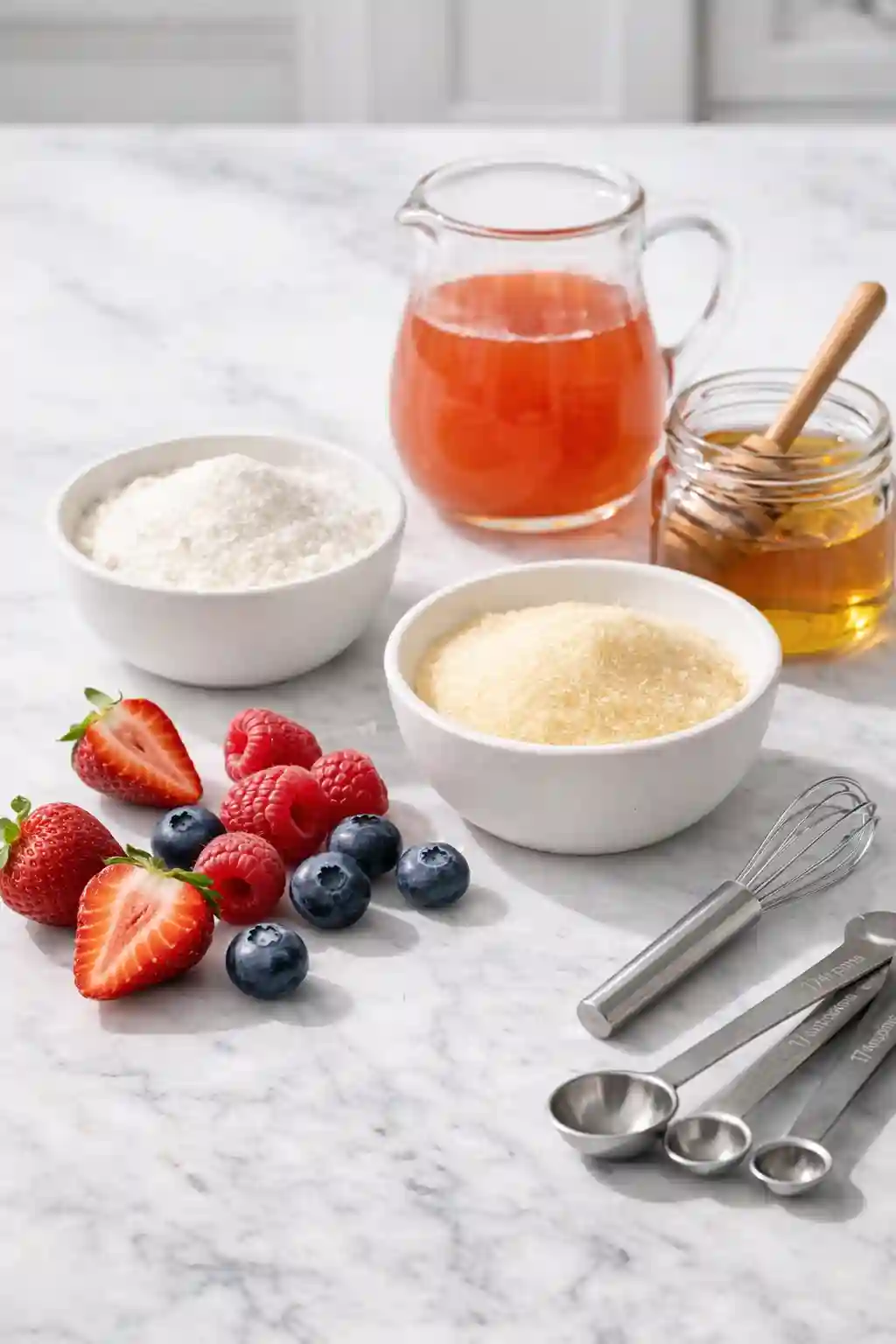
- Unflavored gelatin powder or grass-fed collagen peptides
- Cold water (for blooming the gelatin)
- A liquid base: fruit juice, coconut milk, or dairy milk
- A natural sweetener: honey, maple syrup, or agave
- Optional mix-ins: fresh fruit, vanilla extract, citrus zest, cocoa powder
- Small glass cups, silicone molds, or a baking dish
One thing worth knowing upfront: gelatin needs to bloom first. This means stirring it into cold water and letting it sit for a few minutes before you add any heat. Skipping this step is one of the most common reasons gelatin desserts turn out grainy or fail to set properly.
The 7 Collagen Gelatin Recipes
1. Classic Honey Berry Gelatin Cups
Mix 2 cups of mixed berry juice with 2 tablespoons of unflavored gelatin, bloomed in 1/4 cup cold water. Warm the juice gently, stir in the bloomed gelatin and 2 tablespoons of honey, pour into cups, and refrigerate for 3 hours. This one is bright, slightly tart, and genuinely yummy – a good starting point if you have never made gelatin from scratch.
2. Coconut Mango Gelatin Squares
Blend 1 cup of fresh mango with 1 cup of coconut milk. Warm gently, add bloomed gelatin (2 tablespoons bloomed in 1/4 cup cold water), sweeten with maple syrup to taste, and pour into a square dish. Once set, cut into cubes. These are tropical, creamy, and honestly one of the more interesting food recipes in this list.
3. Vanilla Yogurt Gelatin Parfaits
Warm 1 cup of whole milk with 1 teaspoon vanilla extract. Bloom 1.5 tablespoons of gelatin in 3 tablespoons cold water, stir into the warm milk, then fold in 1 cup of Greek yogurt once slightly cooled. Pour into glasses and chill. The result is somewhere between panna cotta and cheesecake – very easy, very good.
4. Citrus Mint Gelatin Slices
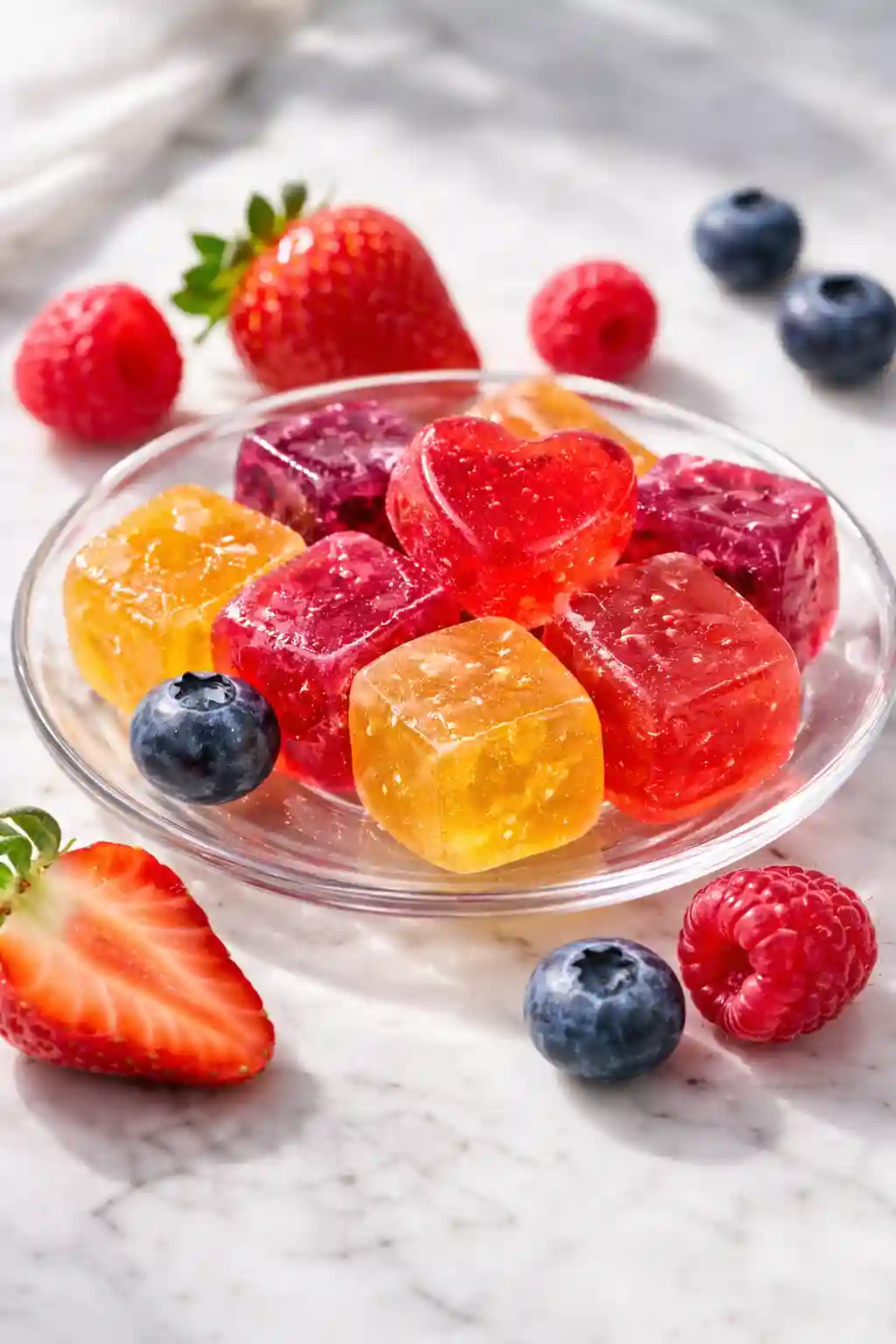
Juice 4 oranges and 1 lemon. Warm the juice, stir in 2 tablespoons of bloomed gelatin and a small handful of fresh mint leaves. Let the mint steep for 5 minutes, remove the leaves, pour into a loaf pan, and chill. Slice to serve. This one is light and refreshing – a great healthy snack recipe for warmer months.
5. Chocolate Collagen Gelatin Bites
Combine 2 cups of almond milk, 2 tablespoons cocoa powder, and 2 tablespoons maple syrup in a saucepan. Warm gently, add bloomed gelatin, stir until smooth, and pour into silicone molds. These set up firm, taste like a chocolate pudding cup, and work well as diy food desserts for the week ahead.
6. Green Tea Honey Gelatin
Brew 2 cups of strong green tea, let it cool slightly. Bloom 2 tablespoons of gelatin, stir into the warm tea with 2 tablespoons of honey. Pour into a shallow dish, chill, and cut into cubes. The flavor is mild and slightly floral – different from anything you would find in a store, and genuinely one of those healthy food dishes that does not feel like a compromise.
7. Strawberry Lemonade Gelatin Cups
Blend 1 cup of fresh strawberries with 1 cup of lemonade. Warm gently, bloom and add 2 tablespoons gelatin, sweeten if needed, and pour into cups. Top with a thin strawberry slice before chilling. These look great and taste like summer – an easy pick for cooking and baking with kids or just for yourself on a slow afternoon.
Tips That Actually Make a Difference
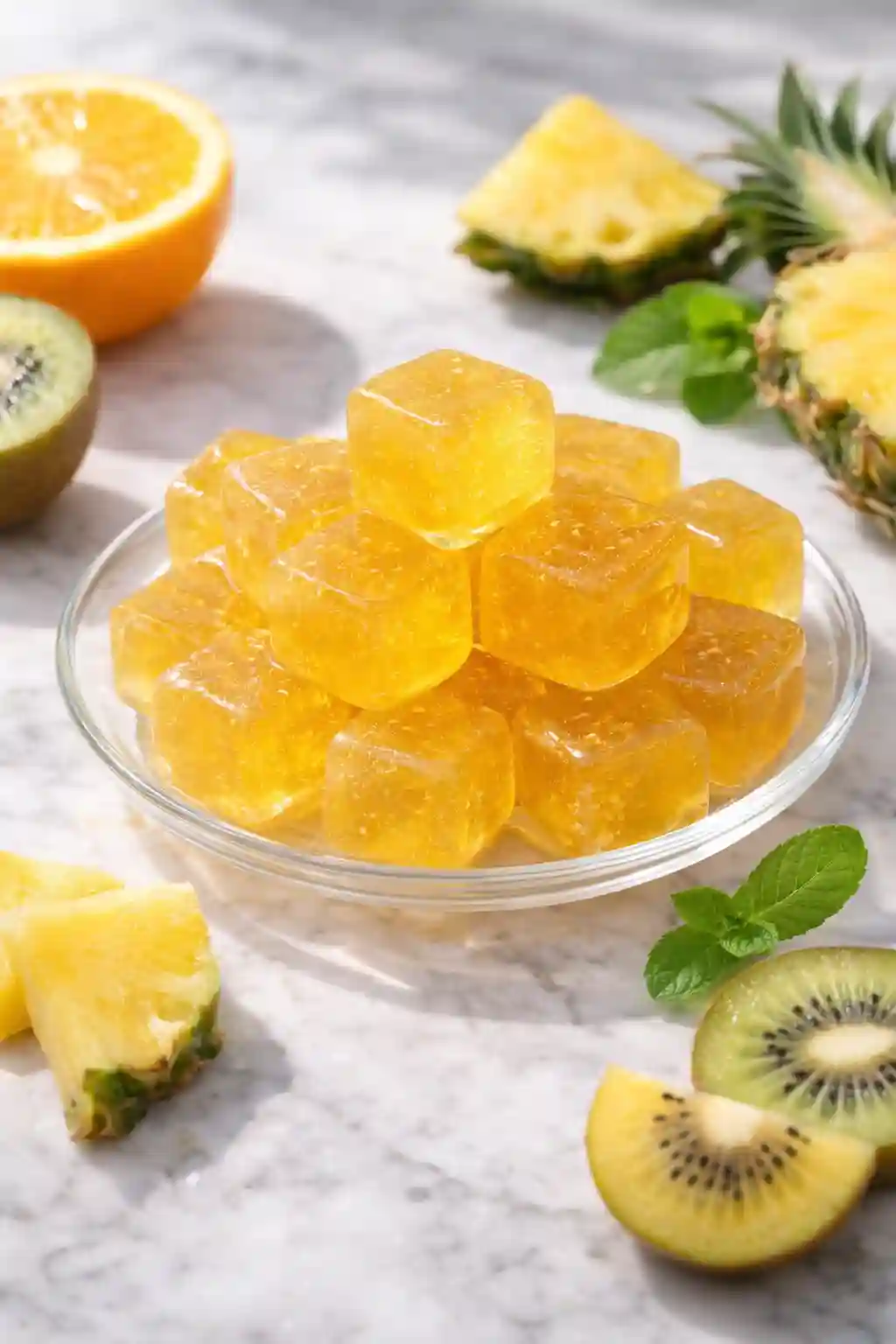
A few things to keep in mind across all of these recipes. First, never boil your liquid after adding gelatin – it breaks down the proteins and your dessert will not set. Warm is enough, not hot. Second, acid-heavy fruits like fresh pineapple, kiwi, and papaya contain enzymes that prevent gelatin from setting at all. Use canned versions of these if you want to include them.
For cleaner layers in multi-layer recipes, let each layer chill for at least 30 minutes before adding the next. And if you want a smoother texture, strain your liquid before pouring into molds – this removes any fruit pulp that can create an uneven finish.
Swaps and Variations Worth Trying
These recipes are flexible by design. A few simple swaps open up a lot of options. Use agar-agar in place of gelatin to make any recipe vegan-friendly – the ratio is roughly 1 teaspoon of agar powder per cup of liquid. Coconut sugar or date syrup work as sweetener swaps if you prefer to avoid refined options. Oat milk and cashew milk both work well as dairy-free base liquids, though they produce a slightly softer set than whole milk or coconut milk.
You can also layer two different recipes together, like the coconut mango and strawberry lemonade, for a two-tone dessert that looks far more impressive than the effort involved. These kinds of diy food recipes are great for when you want something that feels a bit special without spending a lot of time on it.
Storage and Serving
All seven of these gelatin desserts store well in the fridge for up to 5 days. Cover them tightly with plastic wrap or use airtight containers. Gelatin does not freeze well – it separates and becomes watery when thawed, so skip the freezer for these.
Serve straight from the fridge. If you used silicone molds, dip the bottom briefly in warm water for 5 to 10 seconds to release them cleanly onto a plate. These work as delicious snacks recipes between meals, a light dessert after dinner, or even a make-ahead treat you portion out across the week.
When Things Go Wrong
If your gelatin did not set, the most likely causes are using too little gelatin, adding it to liquid that was too hot, or using fresh tropical fruit. Add slightly more gelatin next time and double-check your ratios. A standard rule is 1 tablespoon of gelatin per 2 cups of liquid for a soft set, and 2 tablespoons for a firmer one.
If the texture came out rubbery, you likely used too much gelatin or your liquid was too concentrated. Pull back slightly on the gelatin next round. Cloudy gelatin usually means the liquid was boiled after the gelatin was added – keep things at a gentle warm temperature and stir slowly.
FAQ
Can I use collagen peptides instead of gelatin powder?
Collagen peptides dissolve but do not gel on their own. For a firm set, you need regular unflavored gelatin. You can combine both if you want the nutritional profile of collagen with the texture of gelatin.
How much gelatin do I need per cup of liquid?
Use 1 tablespoon for a soft, jiggly texture and 1.5 to 2 tablespoons for something firmer that holds its shape when cut.
Can kids eat these gelatin desserts?
Yes, all seven recipes are family-friendly. They make great healthy snacks recipes for kids because you control exactly what goes in them.
Why did my gelatin turn out cloudy?
Cloudiness usually happens when the liquid gets too hot after the gelatin is added. Keep the heat low and stir gently to keep things clear.
Can I make these ahead of time?
Absolutely. Most of these set within 3 to 4 hours and keep in the fridge for up to 5 days, making them perfect for meal prep and quick healthy food motivation throughout the week.
Is agar-agar a good substitute for gelatin?
Yes, agar-agar works well and sets firmer than gelatin. Use about 1 teaspoon of agar powder per cup of liquid. It is also plant-based, so it works for vegan versions of all seven recipes.



Pingback: High Protein Gelatin Power Cubes Best Effective Snacks